


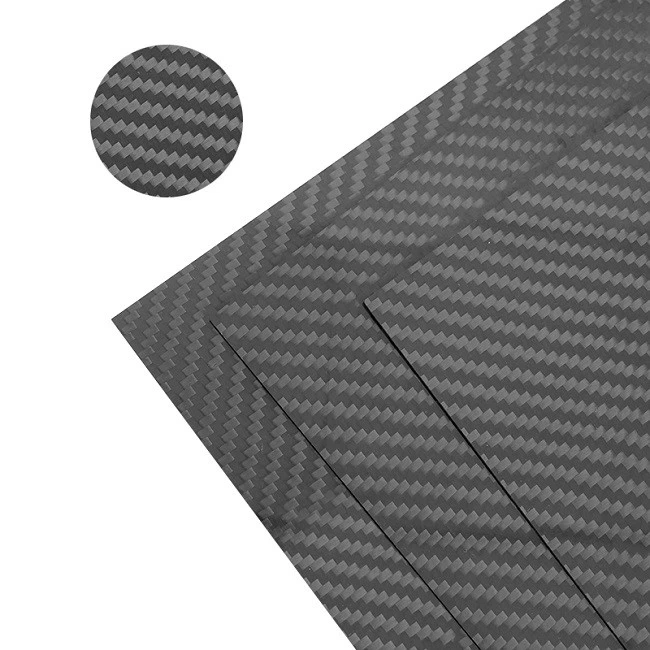

First and foremost, their lightweight nature is truly awe-inspiring. Pound for pound, this plates are stronger than steel, yet astonishingly lighter. In fact, this plates are typically around five times lighter than steel while maintaining equal or greater strength. Such a remarkable strength-to-weight ratio enables engineers to design and construct lightweight yet incredibly sturdy structures.
Further evidence of their remarkable properties lies in their exceptional stiffness. this plates offer an unprecedented level of rigidity, allowing for enhanced control, stability, and durability in various applications. This stiffness is evident in the astounding success stories of carbon fiber-reinforced materials, such as the wings of modern airplanes or the frames of high-performance bicycles. These examples clearly demonstrate the rigidity and load-bearing capacity of this plates, ensuring reliable and robust performance under extreme conditions.


Q1: How do this plates compare to other materials in terms of stiffness and rigidity?
A1: this plates are known for their exceptional stiffness and rigidity compared to many other materials. The unidirectional arrangement of carbon fibers and their high tensile strength contribute to the plates' superior stiffness. this plates have a high modulus of elasticity, meaning they can resist deformation under applied loads and maintain their shape. In comparison to materials like steel or aluminum, this plates can have a higher stiffness-to-weight ratio, making them advantageous for applications where weight reduction and high rigidity are essential, such as aerospace, sports equipment, and automotive industries. However, it is important to note that the specific stiffness and rigidity of this plates can vary depending on the manufacturing process, fiber orientation, and fiber reinforcements used.
Q2: Can this plates be used in structural applications or high-impact environments?
A2: Yes, this plates can be used in structural applications and high-impact environments. Their high strength-to-weight ratio and exceptional stiffness make them suitable for various structural applications where strength and rigidity are crucial. this plates are commonly used in industries like aerospace, automotive, marine, and construction, where they serve as structural components in aircraft wings, race car chassis, boat hulls, and building reinforcements, among others.
In terms of high-impact environments, this plates exhibit excellent impact resistance. They have the ability to absorb and distribute the energy of an impact, reducing the potential for damage or failure. This property makes them well-suited for applications that may experience high forces or impacts, such as sports equipment (e.g., helmets, protective gear) or military armor.
However, it's worth noting that the performance of this plates in high-impact environments can be influenced by factors such as the plate's thickness, layup design, resin matrix, and level of reinforcement. Careful consideration should be given to specific requirements and testing to ensure optimal performance and safety in high-impact applications.
Популярни тагове:


